

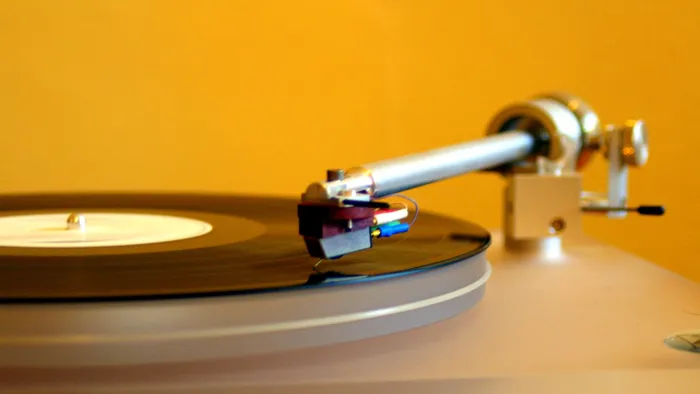
Buying collectable items makes sense as an investment, but first they must be an investment for you.
Image: Nicola Mawson | Independent Media
From rare coins and whisky to books and vinyl, physical collectables are not only a nice addition to any wall or shelf but could also turn out to be a worthwhile investment – but only under the right conditions.
Coins combine history, scarcity, and tangible value, says Landon Coleske, senior numismatic expert and historian at Bassani Auction House.
The coin market spans several sub-categories, including bullion coins such as the Krugerrand, proof coins with limited mintages, error coins and historical rarities, says Coleske. What makes coins particularly strong as an alternative investment is that they combine intrinsic value, gold or silver, with collector value based on rarity and demand, he explains.
“This dual value provides a level of downside protection while still offering strong upside potential,” explains Coleske. Legal tender coins such as proof Krugerrands are also exempt from capital gains tax, he adds.
Beyond the most well-known Krugerrand – worth as much as R120 000 if it’s the rare 1992 Gold Proof coin – “some collectors even specialise in finding coins that were never meant to leave the mint, such as trial strikes or experimental pieces,” says Coleske.
The auction house has seen record-breaking sales, including the famous Single 9 gold coin reaching R41 million. “We’ve also seen modern proof coins and rare varieties achieve multiples of their intrinsic gold value, showing how powerful collector demand has become,” he adds.
“The most successful collectors follow a simple principle: buy the rarest, best-quality coin you can afford – and hold it,” Coleske notes.
Whisky has shown resilience during periods such as the 2008 financial crisis and the COVID-19 pandemic, says Sola Oke, CEO of Pernod Ricard Africa. “It is considered a tangible asset; its value tends to hold or increase even when global currencies depreciate,” he says.
Oke points to its attractiveness in the current geopolitical environment, noting that whisky is a stable alternative given tariff uncertainties and the weak rand. Rare whiskies, especially from closed distilleries or limited releases, can deliver strong returns. According to the Knight Frank Luxury Index, some bottles have appreciated by more than 300% over a decade, outperforming assets such as classic cars and fine art.
While whisky collecting can be associated with high net-worth individuals, the barrier to entry is lower than many assume, Oke says.
“Sometimes it’s as simple as buying a limited edition now that’s worth R800, but which could be worth triple its value in a few years,” says Oke.
Access to the most sought-after releases may require membership of a specialist club, and experience in the industry helps. Oke’s general rule: “Buy two bottles: one to drink and enjoy, and one which you allow to appreciate in value.”
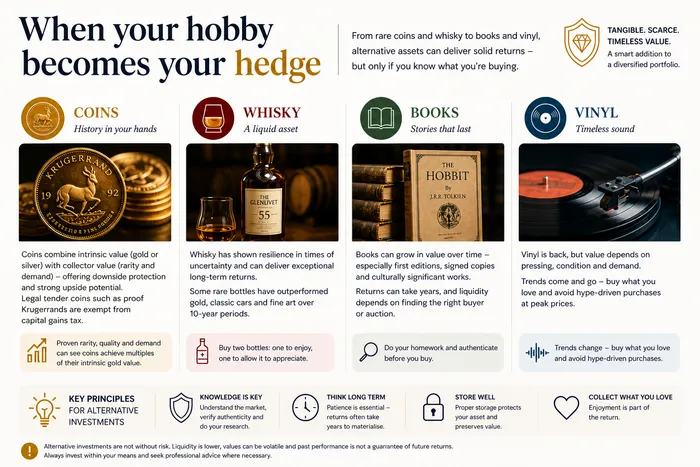
Examples of alternative physical investments.
Image: ChatGPT
Books and literary collectables offer another entry point into alternative investing. Vanessa Rudman, owner and founder of a specialist bookstore, says novels, autobiographies, and antiques can be a fun alternative investment, but they’re not a quick win.
“Unlike shares or property, their value comes down to rarity, condition and collector demand, not the broader economy,” she says.
The right item – a first edition, signed copy or culturally significant work – can grow in value over time. “The downside is that it can take years to see that return,” Rudman cautions.
First editions are generally the most valuable, especially early printings of well-known titles, says Rudman. Signed or inscribed copies add value, original dust jackets matter, and condition is critical, she adds.
Not all first editions are equal, however. “Book club versions and later printings are far less valuable. Fake signatures do exist, so authentication is important if you’re spending serious money. And just because a book is popular doesn’t mean it’s rare,” says Rudman.
Liquidity is another consideration as selling a collectable book requires the right buyer or auction, not a quick transaction, says Rudman. “Ultimately, this is best approached as a passion investment. If you enjoy what you’re collecting and do your homework, any financial upside becomes a bonus,” she adds.
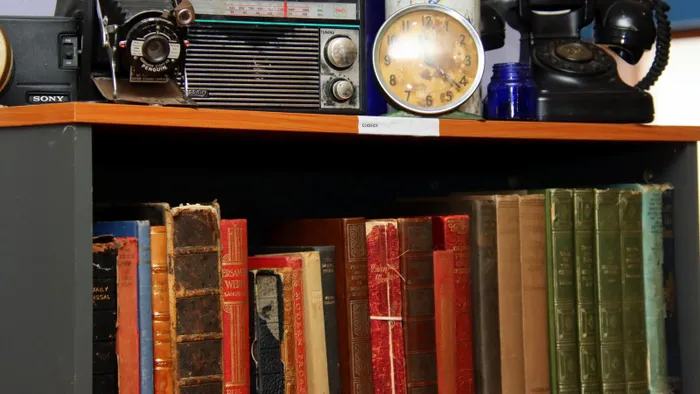
Books' value comes down to rarity, condition and collector demand, not the broader economy.
Image: Nicola Mawson | Independent Media
Vinyl records have seen a resurgence in popularity, but as an investment they require careful selection. Joel Kopping from audio-visual company Simply Digital says pricing varies widely depending on pressing, condition and rarity.
“Why is one Beatles White Album worth $10 000 and another worth R2?” asks Kopping. “With vinyl, you first need to check if it’s an original pressing – the first run,” he notes.
Kopping adds that grading is critical, with even small differences in condition significantly affecting value. Mint condition versus a well-played copy, and the presence of scratches, can make or break a record’s worth.
Trends matter too. “What’s popular now may not be popular in a year’s time,” Kopping warns, noting that buying at the peak of a trend can lead to disappointing returns.
But Kopping keeps it in perspective. “Every time you listen to music, you’re getting enjoyment and value out of it,” he says – a sentiment that runs through all four asset classes. Rudman says reading “is a powerful investment in yourself”. Oke’s two-bottle rule builds enjoyment into the strategy from the start.
And Coleske’s buy-and-hold principle assumes you love what you own enough to keep it. The best alternative investment, it seems, is one you’d be happy to live with either way.
PERSONAL FINANCE